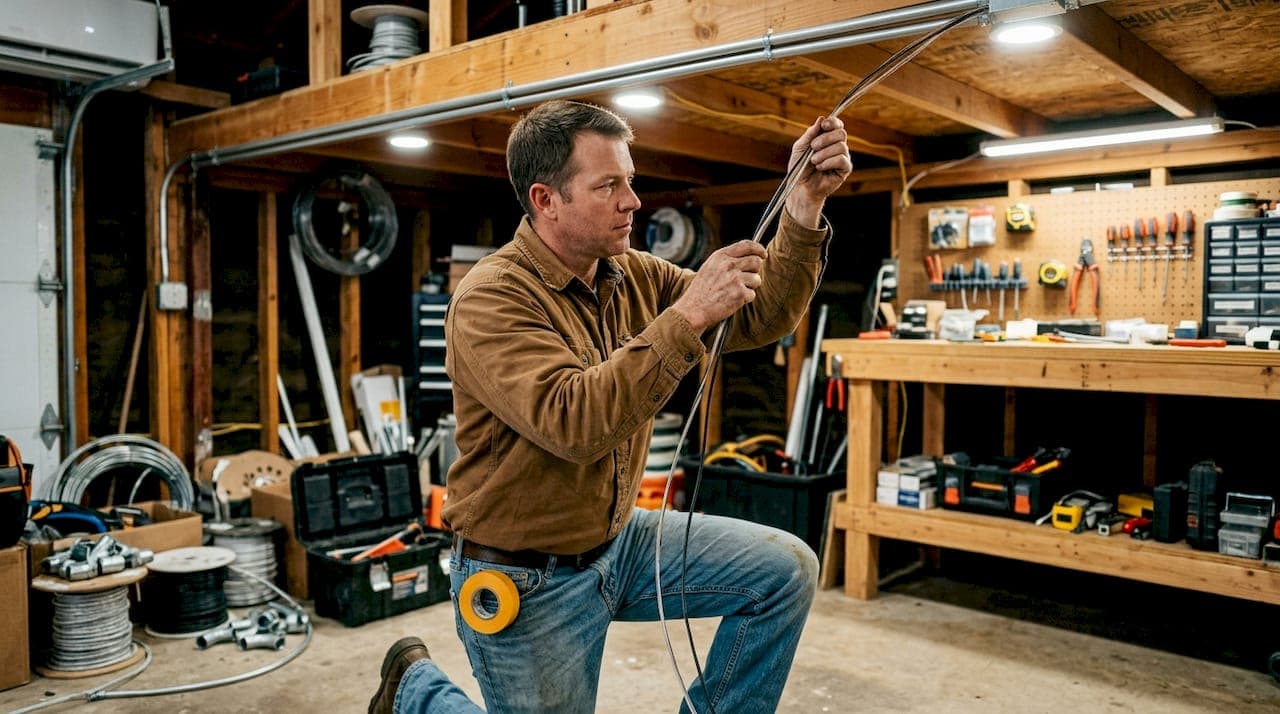
Conduit residential wiring is defined as a system where electrical wires run inside protective tubing, called conduit, rather than being stapled directly to framing or buried in walls as bare cable. The industry standard term is "raceway wiring," though homeowners and electricians commonly call it conduit wiring. Its core job is to shield conductors from physical damage, moisture, and heat while keeping your electrical system accessible for future changes. Conduit types include Electrical Metallic Tubing (EMT), Rigid Metal Conduit (RMC), Intermediate Metal Conduit (IMC), and PVC. Each serves a specific environment, and choosing the wrong one creates real safety and code compliance problems.
What is the role of conduit in residential wiring?
Conduit acts as the first line of defense for your home's electrical conductors. Without it, wires are vulnerable to nails, rodents, moisture, and accidental impact. The protective tubing keeps conductors mechanically safe and electrically reliable for the life of the home.
The importance of conduit wiring goes beyond simple protection. Metal conduit types like EMT and RMC serve as grounding conductors when properly bonded and continuous, which means you get a built-in safety path for fault current without running a separate ground wire. That dual function, protection plus grounding, is something no other residential wiring method delivers in one component.
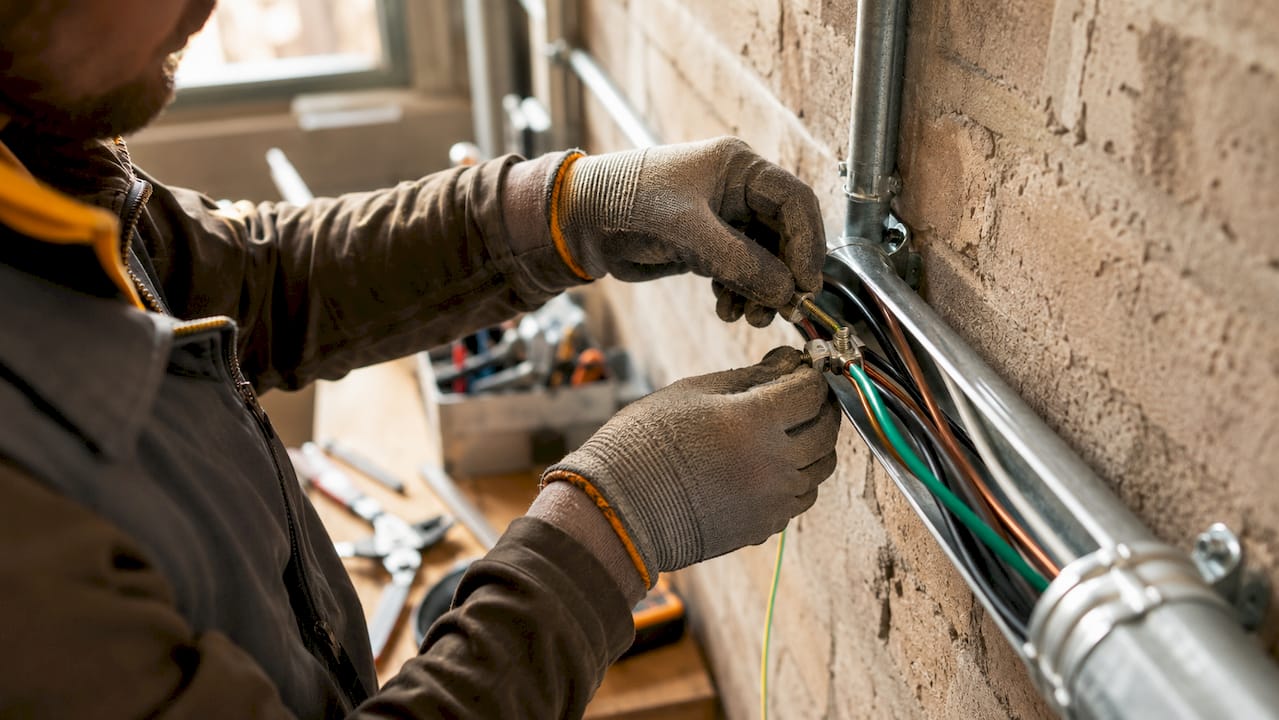
Conduit also makes your electrical system future-ready. When wiring is enclosed in conduit, you can pull out old wires and replace them without cutting into drywall. That single advantage saves thousands of dollars when you upgrade circuits, add capacity for an EV charger, or adapt to new electrical codes.
Pro Tip: Plan your conduit runs before walls are closed. Adding pull boxes at strategic points costs almost nothing during rough-in but saves hours of labor during any future rewire.
What are the benefits and protective functions of conduit wiring?
Conduit wiring benefits fall into three clear categories: physical protection, environmental resistance, and long-term system integrity.
Physical and environmental protection:
- Conduit shields wires from impact, compression, and puncture by fasteners or tools.
- Metal conduit resists moisture and corrosion in damp locations like garages, basements, and crawl spaces.
- PVC conduit resists chemical exposure and works in underground or wet outdoor runs.
- Rigid conduit reduces wire damage incidents significantly in environments where exposed wiring would otherwise fail.
System integrity and safety:
- EMT and RMC conduit, when properly bonded, carry fault current back to the panel, tripping breakers faster during a short circuit.
- Metal conduit also reduces electromagnetic interference, which matters in homes with sensitive electronics or home automation systems.
- Conduit keeps wiring organized and identifiable, which speeds up troubleshooting and reduces the risk of accidental damage during renovations.
Maintenance and longevity:
- Wires inside conduit can be replaced without demolition. Pull the old wire out, feed new wire in.
- Conduit itself rarely needs replacement. A properly installed EMT or PVC run can last the life of the structure.
- Conduit systems pass inspections more consistently because the wiring method is visible and verifiable.
Pro Tip: Use a fish tape and wire-pulling lubricant when pulling conductors through long conduit runs. Dry pulling damages insulation and creates hot spots that fail years later.
Conduit vs. Romex: which residential wiring method is right for you?
Romex, the brand name for NM-B (nonmetallic sheathed cable), is the most common residential wiring method in American homes. It is faster and cheaper to install than conduit. Romex cuts labor time by 30–50% compared to conduit, and total wiring costs for a 2,000 sq ft home run approximately $1,500–$3,000 for Romex versus $4,000–$8,000 for conduit. That cost gap is real, and it explains why most builders default to Romex.
But cost is not the only factor. The City of Chicago bans NM-B cable entirely, requiring conduit for all residential installations. That local code amendment supersedes the National Electrical Code (NEC), and Chicago is not alone. Several municipalities and states have adopted stricter wiring requirements that make conduit mandatory regardless of what the NEC permits.
| Factor | Romex (NM-B) | Conduit wiring |
|---|---|---|
| Installation cost (2,000 sq ft) | $1,500–$3,000 | $4,000–$8,000 |
| Labor time | Faster (30–50% less) | More labor-intensive |
| Physical protection | Minimal | High |
| Moisture resistance | Not rated for wet locations | Rated (PVC, RMC) |
| Future rewiring | Requires wall demolition | Pull and replace |
| Code flexibility | Banned in some cities | Accepted everywhere |
| Grounding path | Separate ground wire required | Metal conduit can serve as ground |
Conduit is the better choice in garages, basements, utility rooms, outdoor runs, and any location where wires are exposed or subject to damage. Romex works well in finished interior walls where it will never be disturbed. The practical answer for most homeowners is a hybrid approach: Romex in protected interior cavities, conduit everywhere else.
What types of conduit are used in residential wiring?
IRC 2024 Chapter E3800 outlines four conduit types with specific permitted applications for residential construction. Choosing the right material per IRC 2024 is critical to avoiding corrosion, failed inspections, and premature wiring failure.
| Conduit type | Material | Best application | Key limitation |
|---|---|---|---|
| EMT | Thin-wall steel | Exposed indoor runs, garages | Not rated for direct burial |
| PVC | Rigid plastic | Underground, wet outdoor | Cannot serve as ground path |
| RMC | Thick-wall steel | Severe exposure, outdoor | Heavy, labor-intensive to bend |
| IMC | Medium-wall steel | Outdoor, moderate exposure | Heavier than EMT |
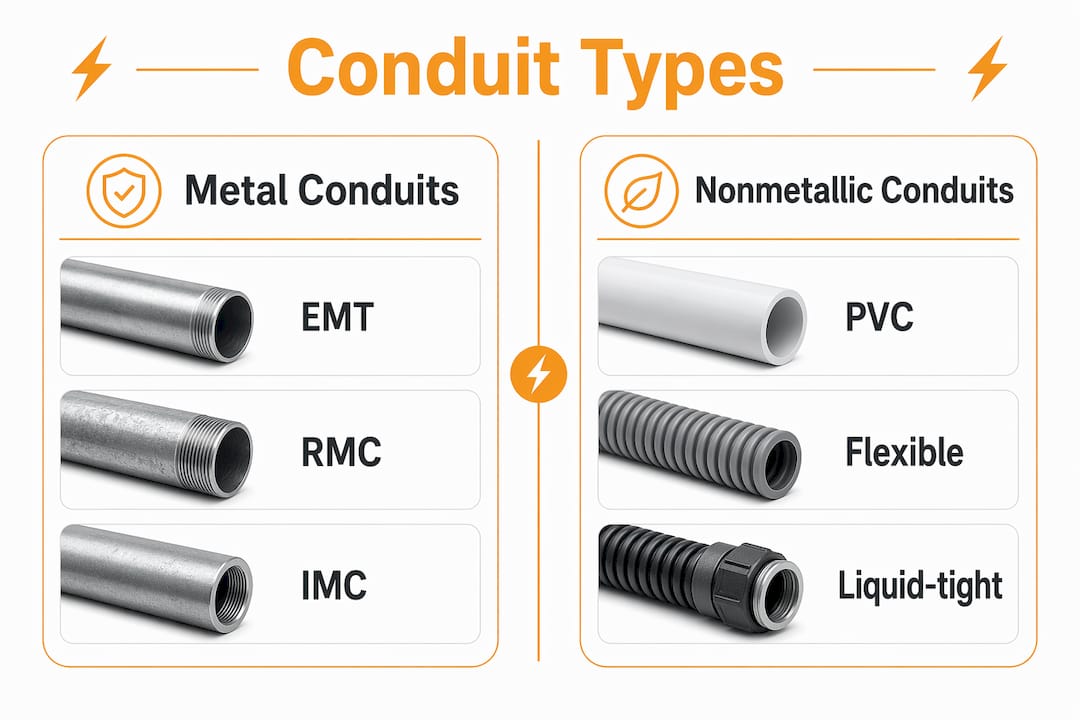
EMT (Electrical Metallic Tubing) is the most common conduit in residential garages and utility spaces. It bends easily with a hand bender, costs less than RMC, and can serve as the equipment grounding conductor when fittings are tight and continuous.
PVC conduit is the go-to choice for underground runs and wet outdoor locations. It does not corrode, costs less than metal conduit, and is easy to cut and glue. The trade-off is that PVC cannot carry fault current, so a separate ground wire is always required inside the conduit.
RMC and IMC are heavier and more expensive than EMT. They are used where severe physical protection is needed, such as service entrance runs, meter bases, or locations subject to vehicle impact. RMC requires only 6 inches of burial cover, making it practical for short underground transitions.
What are the key installation best practices for conduit wiring?
Good conduit installation starts with planning. Measure your runs, identify where bends are needed, and calculate conduit fill before you buy materials.
- Calculate conduit fill first. NEC Chapter 9 tables specify maximum fill percentages: 53% for one wire, 31% for two wires, and 40% for three or more wires in a single conduit. Overfilling traps heat, damages insulation, and fails inspection.
- Respect bend limits. The NEC limits total bends to 360 degrees between any two pull points. Exceeding that limit makes wire pulling nearly impossible and risks insulation damage. Add a pull box whenever a run approaches that limit.
- Follow burial depth requirements. The NEC Article 300 minimum burial depths are 6 inches for RMC and IMC, 18 inches for PVC conduit, and 24 inches for direct-buried UF-B cable. Shallow burial is one of the most common DIY mistakes and creates a serious hazard.
- Maintain grounding continuity. For metal conduit, every fitting must be tight and properly bonded. A loose coupling breaks the grounding path. Use listed fittings and check each connection before closing walls.
- Use the right supports. EMT requires support within 3 feet of each box and at intervals not exceeding 10 feet. Unsupported conduit sags, stresses fittings, and can pull apart at connections.
Pro Tip: Dry-fit your entire conduit run before gluing PVC or tightening EMT fittings. Catching a misaligned bend before everything is locked in saves significant rework.
Common DIY mistakes include using EMT outdoors without weatherproof fittings, mixing conduit types without proper transition fittings, and forgetting to deburr cut conduit ends. Sharp edges cut wire insulation during pulling, creating faults that may not show up for years.
How does conduit wiring make your home safer and more adaptable over time?
Conduit is a superior long-term investment for residential homes because it separates the wiring infrastructure from the building structure. That separation pays dividends every time electrical needs change.
- Wire replacement without demolition. When wire insulation degrades or a circuit needs upgrading, conduit lets you pull new conductors without touching drywall or framing.
- Capacity expansion. Adding a circuit to an existing conduit run is often as simple as pulling an additional wire, provided fill limits allow it.
- Code adaptation. Electrical codes change. Conduit-wired homes can be updated to meet new requirements without structural work.
- Fewer failures. Physical protection means fewer shorts, fewer ground faults, and fewer service calls over the life of the home.
- Interference reduction. Metal conduit shields sensitive circuits from radio frequency and electromagnetic interference, which matters more as homes add smart devices and EV charging equipment.
The long-term math favors conduit in any home where the owner plans to stay more than 10 years or expects to add electrical capacity for solar, EV charging, or home automation.
Key Takeaways
Conduit residential wiring protects conductors, supports grounding, and keeps your electrical system upgradeable without demolition, making it the most durable wiring method available for homes.
| Point | Details |
|---|---|
| Protection and grounding | Metal conduit like EMT and RMC shields wires and can serve as the equipment grounding conductor. |
| Cost vs. long-term value | Conduit costs $4,000–$8,000 vs. $1,500–$3,000 for Romex but eliminates future rewiring demolition costs. |
| Right conduit for the location | Use EMT indoors, PVC underground, and RMC or IMC for severe exposure or service entrances. |
| Installation rules matter | NEC fill limits, 360-degree bend caps, and burial depths are non-negotiable for safe, code-compliant work. |
| Future adaptability | Conduit-wired homes can add or replace circuits without opening walls, saving time and money on upgrades. |
Why I think most homeowners underestimate conduit wiring
Most homeowners look at the upfront cost of conduit and stop there. I understand that reaction. The price difference between Romex and conduit is real, and it stings during a renovation budget conversation. But that comparison ignores what happens 15 years later when you want to add an EV charger, upgrade your panel, or fix a failing circuit buried in a Romex-wired wall.
What I have seen repeatedly is that homes wired with conduit in the right locations, garages, basements, utility rooms, and outdoor runs, end up costing far less to maintain and upgrade over time. The homeowners who spent more upfront on conduit are the ones who call an electrician and get a straightforward pull-and-replace job. The ones who saved money with Romex everywhere are the ones authorizing drywall cuts and patch work on top of the electrical bill.
My practical advice: do not wire your entire home in conduit if your budget does not allow it. But do use conduit anywhere wiring is exposed, subject to moisture, or likely to need upgrading. Plan your pull box locations before walls close. And if you are in a city like Chicago where conduit is mandatory, treat that code requirement as a gift, not a burden. Your future self will agree.
— Mohthshim
Trusted electrical help for conduit installation and upgrades
Conduit installation done wrong creates hazards that do not show up until years later. Loose fittings break grounding paths. Shallow burial invites damage. Overfilled conduit traps heat. These are not theoretical risks.

1800-satellitetv connects homeowners with licensed, fully insured electricians across all 50 states who specialize in code-compliant conduit wiring installations. Every technician carries proper licensing, and the flat-rate pricing model means you know the cost before work begins. A 1-year workmanship warranty backs every job. Whether you need a new conduit run in your garage, an underground feed to a detached structure, or a full panel upgrade with proper raceway wiring, 1800-satellitetv has certified professionals ready to handle it correctly the first time.
FAQ
What is conduit wiring used for in a home?
Conduit wiring protects electrical conductors from physical damage, moisture, and corrosion in locations like garages, basements, and outdoor runs. It also allows future wire replacement without opening walls.
Is conduit required for all residential wiring?
Conduit is not universally required, but some jurisdictions mandate it. The City of Chicago, for example, bans Romex and requires conduit for all residential installations. Always check local codes before choosing a wiring method.
What is the minimum burial depth for underground conduit?
The NEC requires 6 inches of cover for RMC and IMC, 18 inches for PVC conduit, and 24 inches for direct-buried cable. Shallower installation violates code and creates a damage hazard.
Can I use EMT conduit outdoors?
EMT can be used outdoors in dry or damp locations with weatherproof fittings, but it is not rated for direct burial. Use PVC or RMC for underground or continuously wet outdoor applications.
How many wires can I run through one conduit?
NEC Chapter 9 limits conduit fill to 53% for one wire, 31% for two wires, and 40% for three or more wires. Exceeding these limits traps heat and damages wire insulation over time.