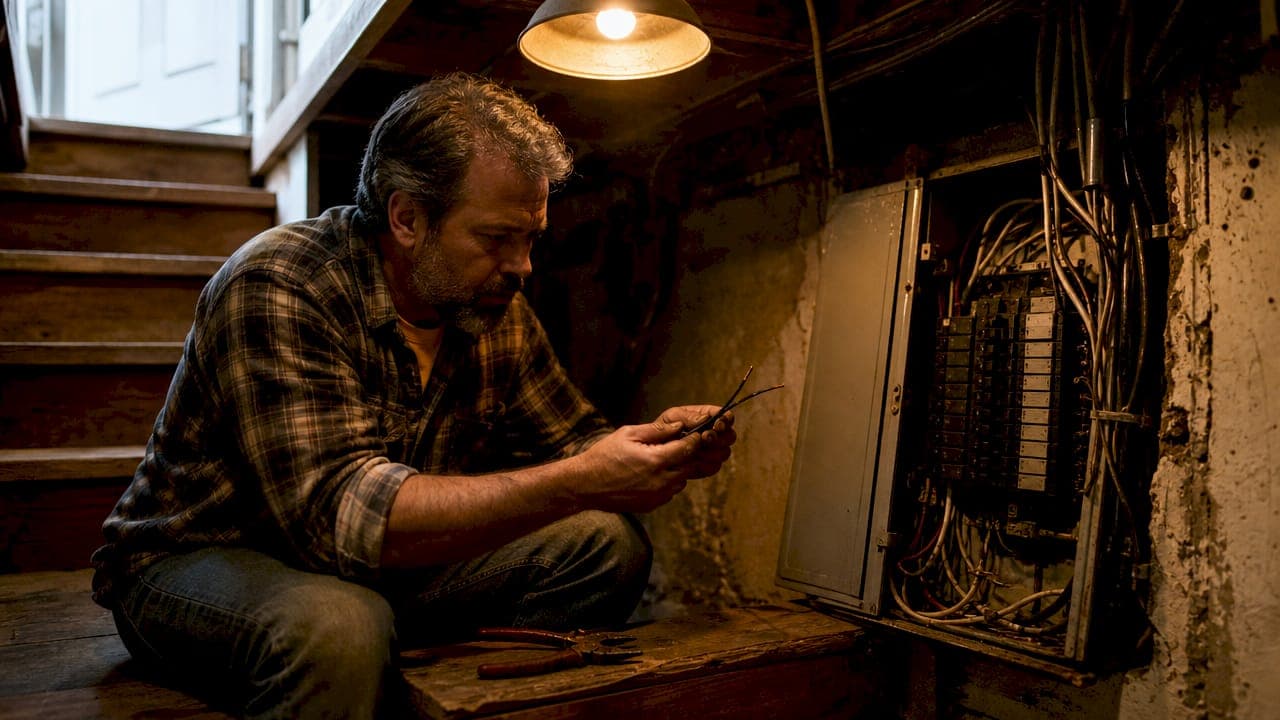
Unsafe DIY electrical work refers to home electrical tasks performed without proper knowledge, correct tools, or adherence to the National Electrical Code, creating serious fire, shock, and legal hazards. Faulty DIY electrical work contributes to about 50,000 dwelling fires annually in the U.S., resulting in nearly 500 deaths and $1.3 billion in property damage. Those numbers make one thing clear: the risk of DIY electrical work is not theoretical. This article covers the most dangerous examples of unsafe DIY electrical work so you can recognize them, avoid them, and know when to call a licensed electrician instead.
1. Examples of unsafe DIY electrical work: wrong wire gauge
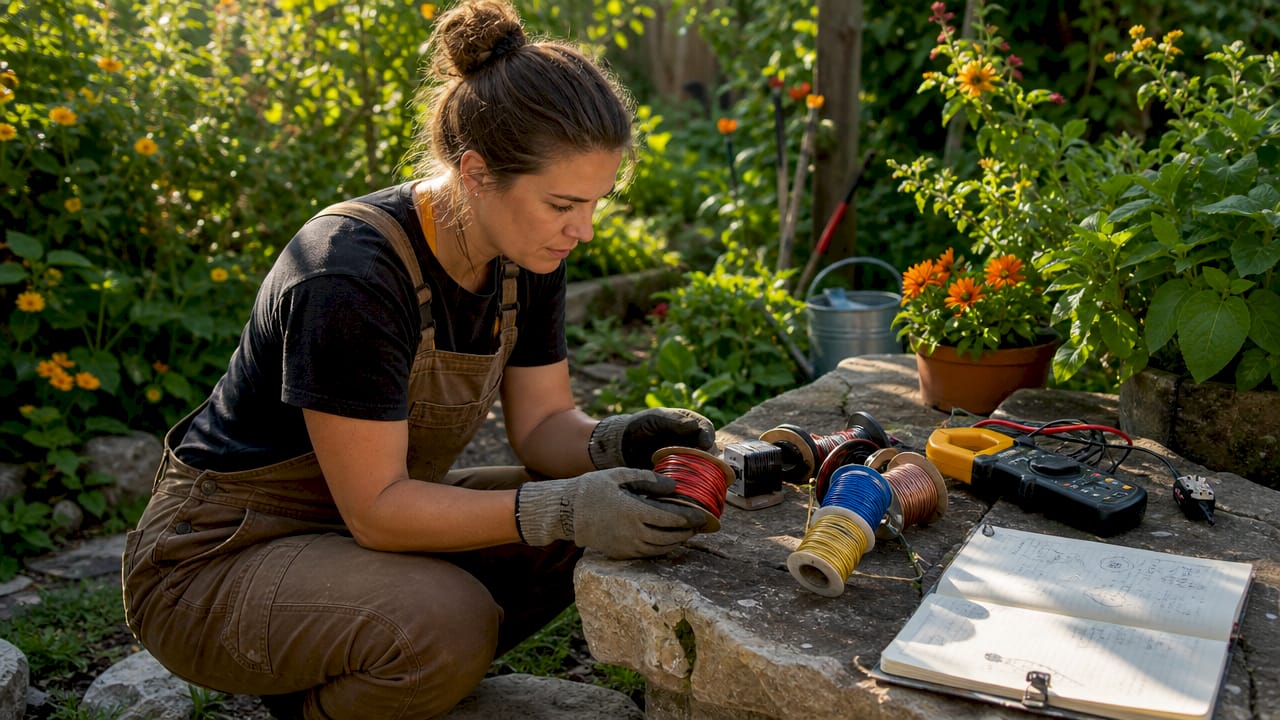
Using the wrong wire gauge is the most dangerous single DIY electrical mistake because it causes wires to overheat before the breaker ever trips. A 15-amp circuit requires 14-gauge wire. Substituting thinner wire on a 20-amp circuit means the insulation melts silently inside your walls long before any safety device responds. This is one of the most common electrical mistakes inspectors find in homes with prior DIY work.
Pro Tip: Always match wire gauge to the breaker rating. 15-amp breakers use 14-gauge wire; 20-amp breakers require 12-gauge wire. Check the label on your existing wire before buying replacement cable.
2. Buried wire splices without junction boxes
Buried wire splices inside walls, without accessible junction boxes, are common home inspection red flags that fail code and create hidden arcing faults. Arcing inside a wall cavity can ignite insulation or wood framing with no visible warning. The National Electrical Code requires all wire connections to be housed in a listed junction box that remains accessible. Homeowners who skip this step often do so to save time, but the result is a fire risk that can go undetected for years.
3. Missing ground wires and no GFCI protection in wet areas
Skipping ground wires or omitting GFCI (Ground Fault Circuit Interrupter) protection in kitchens, bathrooms, garages, and outdoor outlets is a textbook example of unsafe electrical repairs. Ground wires provide a safe path for fault current, and GFCI devices cut power within milliseconds when they detect a ground fault. Without them, a person touching a faulty appliance near water completes the circuit through their body. The NEC has required GFCI protection in wet locations since the 1970s, yet home inspectors still find unprotected outlets in DIY-renovated bathrooms regularly.
4. Incorrect connections with aluminum wiring
Aluminum wiring was common in homes built between 1965 and 1973. Connecting aluminum wiring to devices rated only for copper creates a galvanic reaction at the terminal, causing the connection to loosen and overheat over time. Aluminum wiring remediation costs between $3,000 and $15,000 and must be handled by licensed electricians to avoid safety hazards and insurance issues. Attempting this repair yourself without the correct CO/ALR-rated devices is one of the most dangerous DIY electrical projects a homeowner can attempt.
5. Overloaded circuits and mismatched breaker sizing
A space heater or additional appliance plugged into an already loaded circuit gradually overloads the wiring, causing insulation to degrade and arcing to develop over time. Most residential circuits are rated for 15 or 20 amps. Running a 1,500-watt space heater, a microwave, and a coffee maker on the same kitchen circuit pushes the load past safe limits. Insulation does not fail immediately. It softens, cracks, and eventually exposes bare copper wire to combustible materials.
Mismatched breaker sizing makes this worse. Installing a 30-amp breaker on a circuit wired for 15 amps means the breaker will not trip until the wire is already dangerously overloaded. That defeats the entire purpose of overcurrent protection. The breaker is supposed to protect the wire, not the appliance.
- Overloaded circuits cause insulation softening and arcing before any visible sign appears.
- A 30-amp breaker on 14-gauge wire will not trip until the wire is at serious risk of fire.
- Space heaters, window AC units, and electric dryers are the most common overload culprits.
- Long-term thermal stress from repeated overloading weakens wire insulation permanently.
6. Ignoring safety devices and testing equipment
Non-contact voltage testers cost around $15 and are the first tool any homeowner should use before touching any wire. Mislabeled breakers and shared neutrals can leave wires energized even when the breaker appears to be off. Skipping this step is how DIYers get shocked on circuits they believed were dead.
AFCI (Arc Fault Circuit Interrupter) breakers add another layer of protection by detecting dangerous arcing conditions that standard breakers miss. The NEC now requires AFCI protection in most living areas of new construction. DIYers who replace breakers without installing AFCI devices leave their homes without this protection.
- Turn off the breaker you believe controls the circuit.
- Use a non-contact voltage tester on every wire in the box before touching anything.
- Test again after making connections to confirm no live voltage is present.
- Install GFCI outlets in all wet locations and AFCI breakers in bedrooms and living rooms.
Pro Tip: Never assume a breaker label is accurate. Homes with prior DIY work or renovations frequently have mislabeled panels. Test every wire individually before you work.
Extension cords are another overlooked hazard. Extension cords cause approximately 3,300 home fires annually in the U.S., often from daisy-chaining multiple cords or running them under rugs where heat cannot escape. An extension cord is a temporary solution, not a permanent wiring fix.
7. Hidden electrical hazards that build over time
The biggest misconception about unsafe electrical repairs is that mistakes cause immediate failure. Thermal degradation from loose connections generates fire risk days or weeks after DIY work is completed. A wire nut that feels secure at installation can loosen as the wire heats and cools through normal use cycles, creating resistance and heat at the connection point.
| Hidden Hazard | Why It Is Dangerous |
|---|---|
| Loose wire nuts inside walls | Resistance at the connection generates heat that builds over weeks |
| Buried splices without boxes | Arcing faults ignite wall cavities with no accessible way to inspect |
| Mislabeled circuit breakers | Wires stay energized when you believe the circuit is off |
| Undersized wiring on high-load circuits | Insulation degrades slowly before any breaker trips |
| Missing junction box covers | Exposed connections inside walls create shock and arc risks |
Home inspectors identify buried splices and wrong wire gauges as major red flags that can delay real estate transactions or require costly rework before a sale closes. If you are buying or selling a home with prior DIY electrical work, a licensed electrician inspection before listing is money well spent.
8. When to call a licensed electrician instead of DIYing
Some electrical tasks are simply outside the safe scope of DIY, regardless of skill level. Panel work, circuit expansion, service upgrades, and aluminum wiring remediation all require a licensed electrician. These tasks involve high-voltage components, local permit requirements, and code compliance that directly affect your homeowner's insurance coverage.
- Panel work and service upgrades: Main panels carry 100 to 200 amps of live voltage that cannot be safely de-energized without utility involvement.
- New circuit installation: Adding circuits requires a permit and inspection in most jurisdictions. Unpermitted work can void your insurance claim after a fire.
- Aluminum wiring remediation: Requires CO/ALR-rated devices or a full rewire by a licensed electrician.
- Outdoor and underground wiring: Requires weatherproof conduit, correct burial depth, and GFCI protection at the source.
- EV charger installation: Level 2 chargers require a dedicated 240-volt circuit and a permit in virtually every state.
Safe DIY tasks include replacing a like-for-like outlet or switch on a circuit you have verified is de-energized, installing a ceiling fan on an existing rated box, and resetting a tripped GFCI outlet. Anything beyond that warrants a professional.
Key takeaways
Unsafe DIY electrical work causes thousands of fires and deaths annually because mistakes like wrong wire gauges, buried splices, and missing safety devices create hidden hazards that build over time before igniting.
| Point | Details |
|---|---|
| Wrong wire gauge is the top risk | Undersized wire overheats before the breaker trips, causing fires inside walls. |
| Hidden hazards are the real danger | Thermal degradation from loose connections can cause fires days or weeks after the work. |
| Safety devices save lives | GFCI, AFCI, and non-contact voltage testers are non-negotiable for any electrical work. |
| Some tasks require a licensed electrician | Panel work, new circuits, and aluminum wiring remediation are not safe DIY projects. |
| Unpermitted work has real consequences | Insurance claims can be denied and real estate sales delayed by code-violating DIY work. |
Why I stopped underestimating DIY electrical risks
I have seen the aftermath of well-intentioned DIY electrical work more times than I can count. A homeowner replaces an outlet, feels confident, and moves on. Six months later, a loose backstab connection inside that outlet box has been generating heat every time the circuit loads up. The wall does not smell like smoke until the day it does.
The part that surprises most homeowners is the delay. People expect electrical mistakes to fail immediately. They do not. Thermal degradation is patient. A wire nut that passes a tug test at installation can work loose through dozens of heat and cool cycles before it becomes a problem. By then, the homeowner has long forgotten the project.
My honest advice is this: respect the gap between what you can do and what you should do. Swapping a like-for-like outlet with the breaker verified off is reasonable. Running a new circuit, touching a panel, or dealing with aluminum wiring is not. The cost of a licensed electrician is always less than the cost of a fire, a failed inspection, or a denied insurance claim.
Use a non-contact voltage tester every single time, even on circuits you are certain are off. Mislabeled panels are far more common than most homeowners realize. That $15 tool is the cheapest insurance you will ever buy.
— Mohthshim
Certified electrical help when the job is beyond DIY
Knowing the risks is the first step. Acting on them is the second. When a project involves panel work, new circuits, aluminum wiring, or EV charger installation, the right move is a licensed professional.
1800-satellitetv connects homeowners with VoltEdge Electric, a nationwide service with licensed, fully insured electricians available across all 50 states. VoltEdge uses flat-rate pricing so you know the cost before any work begins, and every job is backed by a 1-year workmanship warranty. Whether you need an urgent repair, a panel upgrade, or a safety inspection after prior DIY work, VoltEdge delivers code-compliant results with no surprise costs.
FAQ
What are the most common examples of unsafe DIY electrical work?
The most common examples include using the wrong wire gauge, burying wire splices without junction boxes, skipping GFCI protection in wet areas, and overloading circuits with mismatched breakers. Each of these creates fire or shock hazards that may not appear immediately.
Why are DIY electrical repairs dangerous even for experienced homeowners?
DIY electrical repairs are dangerous because mistakes like loose connections and undersized wiring cause thermal degradation over time, not immediate failure. A connection that feels secure at installation can loosen through heat cycles and start a fire weeks later.
Do I need a permit for DIY electrical work?
Most jurisdictions require a permit for new circuit installation, panel work, and service upgrades. Unpermitted work can void your homeowner's insurance and must be disclosed during a home sale, often requiring costly rework to pass inspection.
How do I know if my home has unsafe wiring from prior DIY work?
A licensed electrician inspection is the most reliable method. Home inspectors also flag buried splices, wrong wire gauges, and missing GFCI protection as common DIY electrical violations during real estate transactions.
What electrical tasks are safe for homeowners to DIY?
Replacing a like-for-like outlet or switch on a verified dead circuit, resetting a tripped GFCI outlet, and installing a ceiling fan on an existing rated box are generally safe. Any task involving the main panel, new wiring, or aluminum connections requires a licensed electrician.