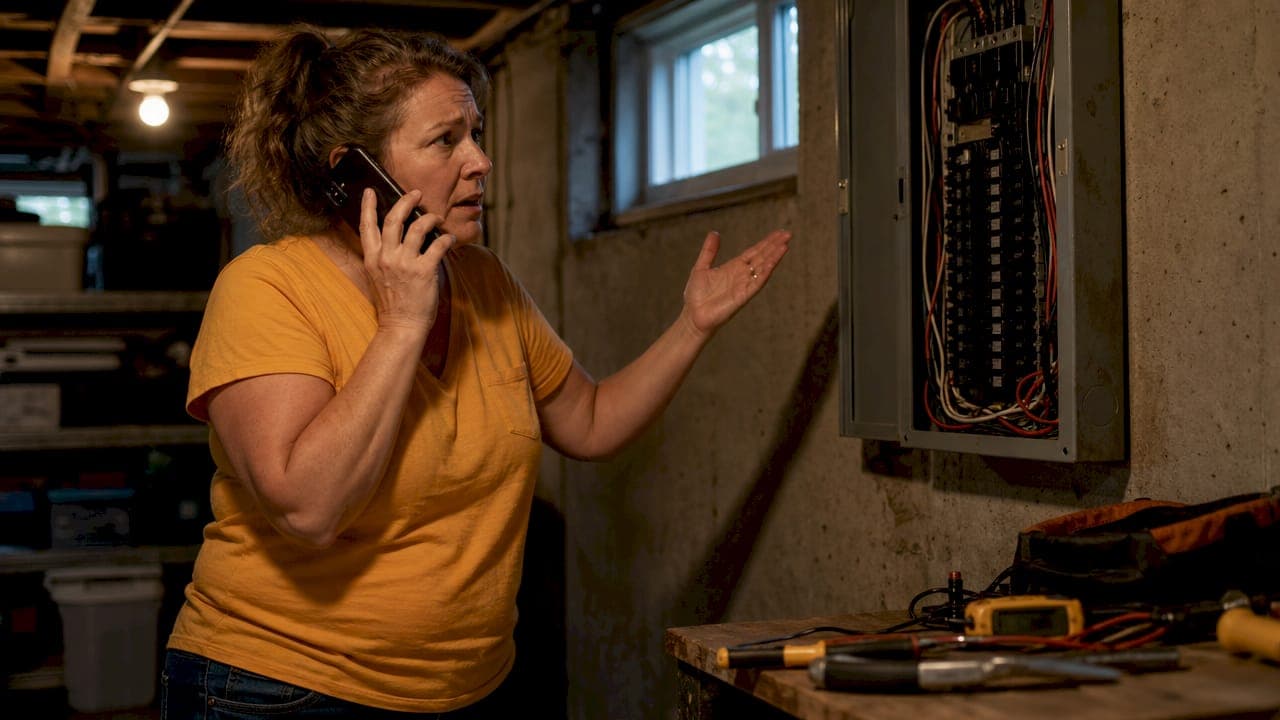
An electrical emergency is any situation where a fault in your home's wiring, panel, or outlets poses an immediate risk to life or property. Knowing when to call an emergency electrician is the difference between a controlled repair and a house fire. The most dangerous signs include burning smells from outlets, sparking at switches, water near your electrical panel, and repeated breaker trips that will not reset. Acting within minutes on these signals protects your family and prevents damage that costs far more to fix later.
When to call an emergency electrician: the warning signs that cannot wait
Certain electrical conditions require a call right now, not a scheduled appointment next week. Repeated tripping circuit breakers, water intrusion near electrical panels, and confirmed non-utility power loss are all high-risk conditions that demand prompt professional response. Each of these signals a fault that can escalate to fire or electrocution within hours.
The following situations qualify as true electrical emergencies:
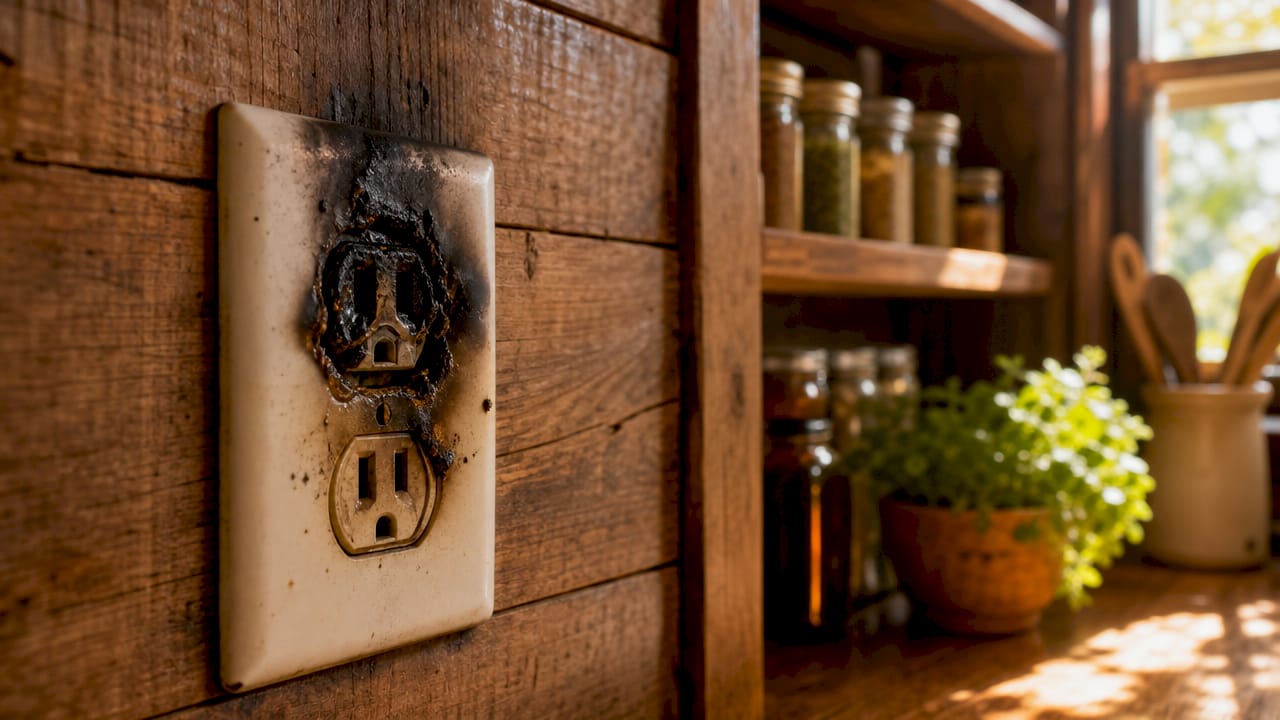
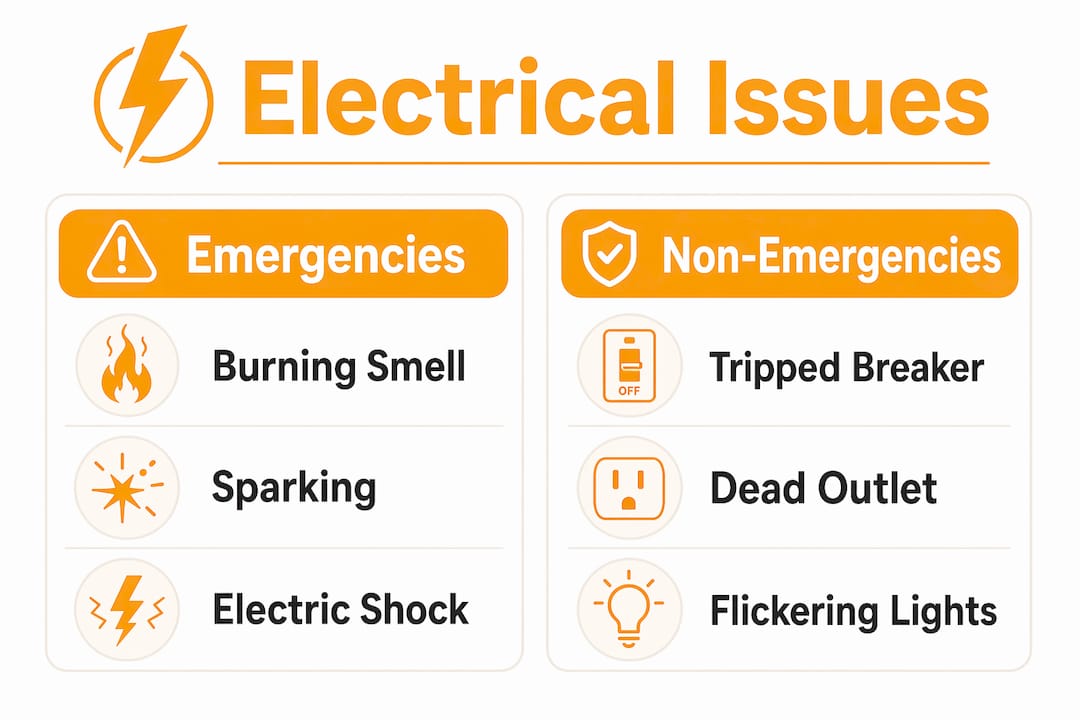
- Burning smell or visible smoke from any outlet, switch, or panel. This indicates active overheating inside your walls.
- Sparks or arcing at outlets, switches, or your breaker box. Arcing is the leading cause of residential electrical fires.
- Repeated breaker trips with a burning odor. A breaker that trips once and resets cleanly is a minor event. One that trips repeatedly, especially with heat or smell, signals a wiring fault.
- Buzzing sounds in your panel or at breakers. Vibrating or buzzing noises frequently indicate failing breakers or wiring faults that pose a direct fire risk.
- Electric shocks or tingling sensations from appliances, outlets, or light switches. Any shock from a standard household fixture is abnormal and dangerous.
- Hot or discolored outlet covers. Discoloration signals an overloaded circuit or loose connection generating heat behind the wall.
- Water near electrical components after a flood or pipe burst. Water combined with live electricity creates a lethal hazard that requires immediate power shutoff and professional intervention.
- Total home power loss when your neighbors still have power. This rules out a utility outage and points to a fault inside your home.
Pro Tip: If you smell burning plastic or see any discoloration around an outlet, do not plug anything else into that circuit. Unplug devices nearby and call an emergency electrician before using that area of your home again.
Which electrical issues can wait for a regular appointment?
Not every electrical problem is a crisis. Many common electrical issues like a single dead outlet or a light that flickers without any burning smell do not justify an emergency call. Calling an emergency electrician unnecessarily means paying premium rates for a problem that a standard appointment handles at a fraction of the cost.
The following issues can safely wait until business hours:
- A single dead outlet with no smell, heat, or other symptoms. Test the circuit breaker first. If it resets cleanly and the outlet stays dead, schedule a standard appointment.
- Light flickering without any burning smell or other warning signs. Flickering alone often points to a loose bulb, a failing dimmer switch, or a minor connection issue.
- A tripped safety switch (RCD) that resets once and stays on. A one-time trip is often caused by a faulty appliance. Unplug devices on that circuit, reset the switch, and monitor it.
- Minor intermittent issues with no signs of heat, smoke, or shock. Document the frequency and conditions, then report them at a scheduled visit.
The key distinction is whether the symptom involves heat, smell, sparking, or shock. If none of those are present, monitor the situation and book a standard appointment. If any of those appear, the situation has crossed into emergency territory.
What to do immediately after spotting an electrical emergency
Your actions in the first few minutes after identifying an electrical emergency directly affect how much damage occurs before the electrician arrives. Follow these steps in order:
- Turn off the affected circuit at your breaker panel if you can do so safely without touching anything wet or standing in water. Cutting power to a faulty circuit stops the fault from progressing.
- Do not use water near any electrical component. Water conducts electricity. Using a water-based fire extinguisher on an electrical fire makes the situation worse. Use a Class C or dry chemical extinguisher only.
- Evacuate if you smell burning or see smoke. Turning off affected circuits and evacuating when you smell burning improves safety while you wait for professional help. Get everyone out, close interior doors to slow any fire spread, and call from outside.
- Call 911 if there is active fire or anyone has been electrocuted. An emergency electrician handles faults. Fire and electrocution injuries require emergency services first.
- Document what you observed before calling the electrician. Note the time the problem started, which outlets or circuits are affected, any sounds or smells, and what appliances were in use. This briefing cuts diagnostic time significantly.
- During a power outage, avoid opening your refrigerator or freezer to preserve food. Use battery-powered lighting only. Do not run a generator indoors or in an attached garage.
Pro Tip: Take a short video on your phone of any sparking, smoke, or discoloration before you lose power or the symptom stops. Electricians use this footage to diagnose faults faster and more accurately.
Emergency electricians in metropolitan areas typically aim for 1–2 hour arrival windows after your call. That response window means your preparation and safety steps matter enormously while you wait.
How to choose the best emergency electrician and what to ask before hiring
Choosing the right emergency electrician under pressure is where homeowners make costly mistakes. The best emergency electricians for homeowners are licensed, insured, transparent about pricing, and available around the clock. Verifying electrician licenses, insurance, and permit compliance reduces the risk of poor workmanship and fraud before any work begins.
Key questions to ask an emergency electrician before they start work
Ask these questions before you agree to any service call:
- Are you licensed and fully insured in this state? A licensed electrician carries state-issued credentials. An insured one protects you if something goes wrong on your property.
- What is your emergency response time? Confirm they can realistically reach you within a reasonable window given your location.
- Do you pull permits for emergency repairs? Permitted work is inspected and meets code. Unpermitted work can void your homeowner's insurance and create problems when you sell.
- What are your emergency service fees? Flat-rate pricing eliminates surprise costs. Ask for the fee structure before the technician arrives, not after.
- Do you offer a warranty on your work? Quality emergency electricians back their repairs. A 1-year workmanship warranty is a reasonable standard to expect.
- Can you provide references or show recent customer reviews? Verified reviews on Google or the Better Business Bureau give you real evidence of response time and quality.
The comparison below shows the difference between a qualified emergency electrician and one that should raise concern:
| Criteria | Qualified electrician | Red flag |
|---|---|---|
| Licensing | State-issued license, verifiable online | Cannot provide license number |
| Insurance | General liability and workers' comp | "We're covered" with no documentation |
| Pricing | Flat-rate or itemized quote upfront | Quote given only after work is done |
| Permits | Pulls permits for all qualifying work | Suggests skipping permits to save money |
| Warranty | Written workmanship warranty | No guarantee offered |
| Availability | 24/7 confirmed availability | Business hours only with on-call exceptions |
Emergency electricians' mobile units function as fully equipped workshops, enabling complex repairs on-site without waiting for parts or a return visit. This capability is a practical sign of a well-prepared service provider.
Key takeaways
Calling an emergency electrician immediately when you detect burning smells, sparking, water near wiring, or repeated breaker trips is the single most effective action a homeowner can take to prevent electrical fires and electrocution.
| Point | Details |
|---|---|
| True emergencies require immediate calls | Burning smells, sparking, shocks, and water near wiring all demand a call right now. |
| Non-urgent issues can wait | A single dead outlet or one-time flickering light does not justify emergency rates. |
| Preparation saves lives | Turn off the circuit, evacuate if needed, and document symptoms before the electrician arrives. |
| Vet your electrician before hiring | Confirm license, insurance, permits, flat-rate pricing, and a written warranty before work starts. |
| Response time matters | Qualified emergency electricians in metro areas typically arrive within 1–2 hours of your call. |
What I have learned after years of watching homeowners handle electrical crises
Most homeowners either panic too early or wait too long. Both mistakes cost money and, in the worst cases, lives.
The panic-too-early group calls an emergency electrician for a tripped breaker that resets cleanly, a single dead outlet, or a light bulb that flickers once. They pay emergency rates for a problem that a $12 outlet replacement or a standard appointment would have solved. Experts recommend cautious evaluation of symptoms and seeking professional advice during the initial call before committing to an emergency visit.
The wait-too-long group is the more dangerous one. These are the homeowners who notice a burning smell from an outlet, assume it is nothing, and go to bed. Or they see a breaker trip three times in an evening and keep resetting it without investigating. Electrical faults do not resolve on their own. They worsen, often at night when no one is watching.
My honest advice: trust your nose and your instincts. If something smells wrong, that is enough reason to call. You do not need to see sparks or smoke to justify picking up the phone. A brief call to a licensed electrician to describe your symptoms costs nothing and can tell you in two minutes whether you need someone there tonight or next Tuesday. The best electricians will tell you honestly which category your situation falls into.
— Mohthshim
Reliable emergency electrical service when you need it most
Electrical emergencies do not follow a schedule, and neither does 1800-satellitetv. VoltEdge Electric provides 24/7 emergency electrical service across all 50 states, with licensed and fully insured technicians who arrive ready to diagnose and repair on the spot.

Every job through 1800-satellitetv comes with flat-rate pricing so you know the cost before any work begins, and a 1-year workmanship warranty so you know the repair will hold. Whether you are dealing with a sparking panel, a power loss that is not a utility issue, or water near your wiring, VoltEdge's technicians handle it correctly the first time. Contact VoltEdge Electric to reach a licensed electrician in your area today.
FAQ
What counts as an electrical emergency at home?
An electrical emergency is any situation involving burning smells, sparking outlets, electric shocks, water near wiring, or total power loss not caused by a utility outage. These conditions require an immediate call to a licensed emergency electrician.
How fast does an emergency electrician typically arrive?
Emergency electricians in metropolitan areas typically aim for a 1–2 hour arrival window after your call. Response times vary based on technician availability and your location.
What questions should I ask before hiring an emergency electrician?
Ask about their state license number, insurance coverage, whether they pull permits, their emergency fee structure, and whether they offer a written warranty. These questions before hiring an electrician protect you from fraud and poor workmanship.
Is a tripped breaker always an electrical emergency?
A breaker that trips once and resets cleanly is not an emergency. A breaker that trips repeatedly, especially with a burning smell or buzzing sound, signals a wiring fault and requires an immediate emergency call.
Can I reset my breaker or safety switch myself during an emergency?
You can reset a breaker or RCD once if there is no smell, heat, or visible damage. If it trips again immediately or you notice any burning odor, do not reset it again. Call an emergency electrician and leave the circuit off.